
Matera and the Sassi
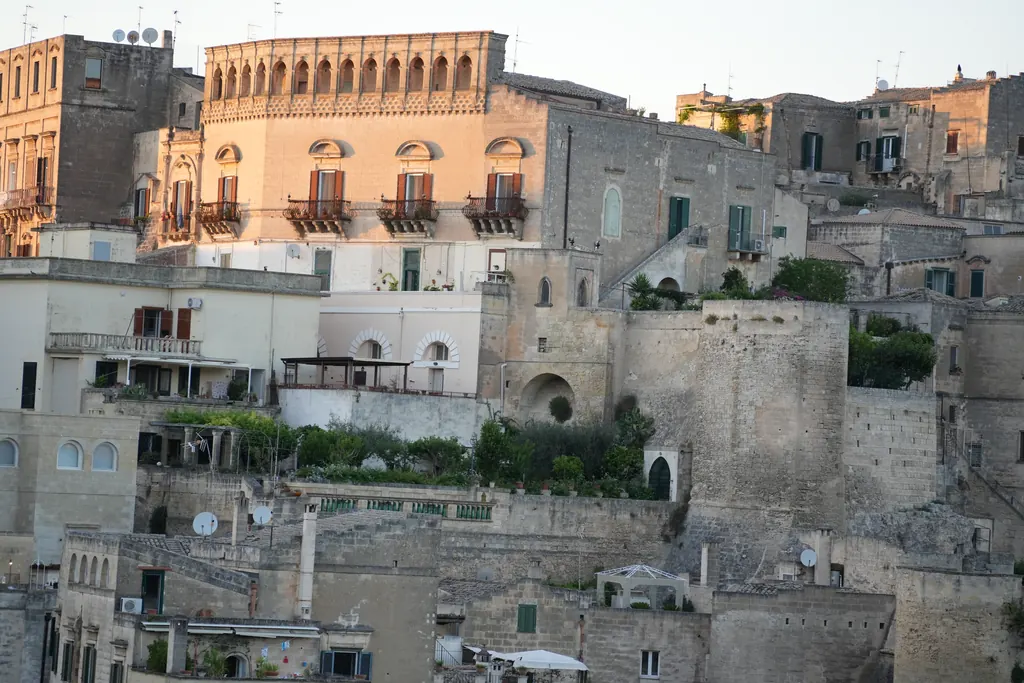
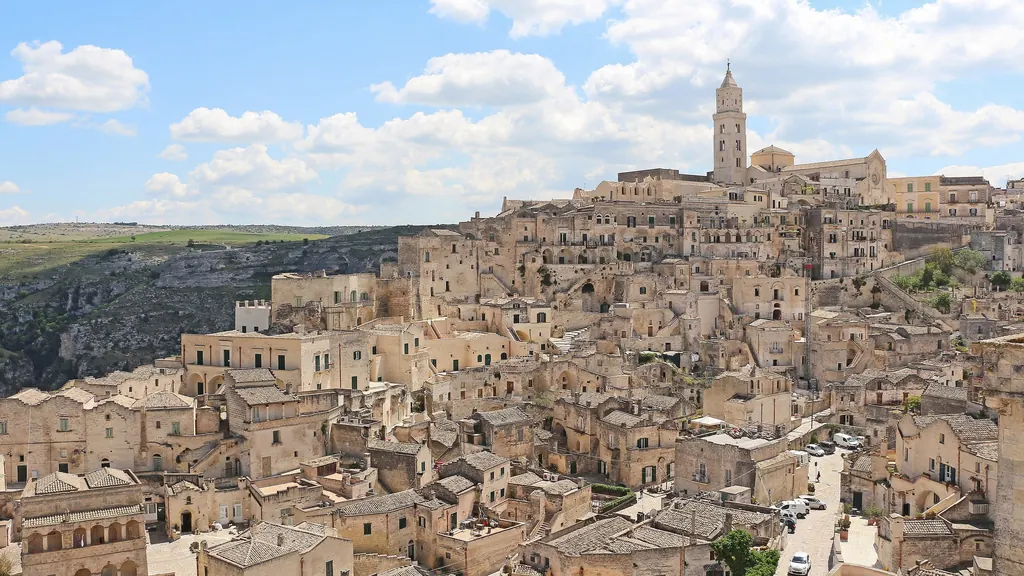
The heart of Matera is the Sassi, two districts of houses and churches carved into the rock, overlooking the gravina, a deep ravine. Together with the Park of the Rupestrian Churches, the Sassi have been a UNESCO World Heritage Site since 1993. Here are a few pointers to help you find your way, starting with the Sasso Barisano, the one right below the house.
The Sasso Caveoso
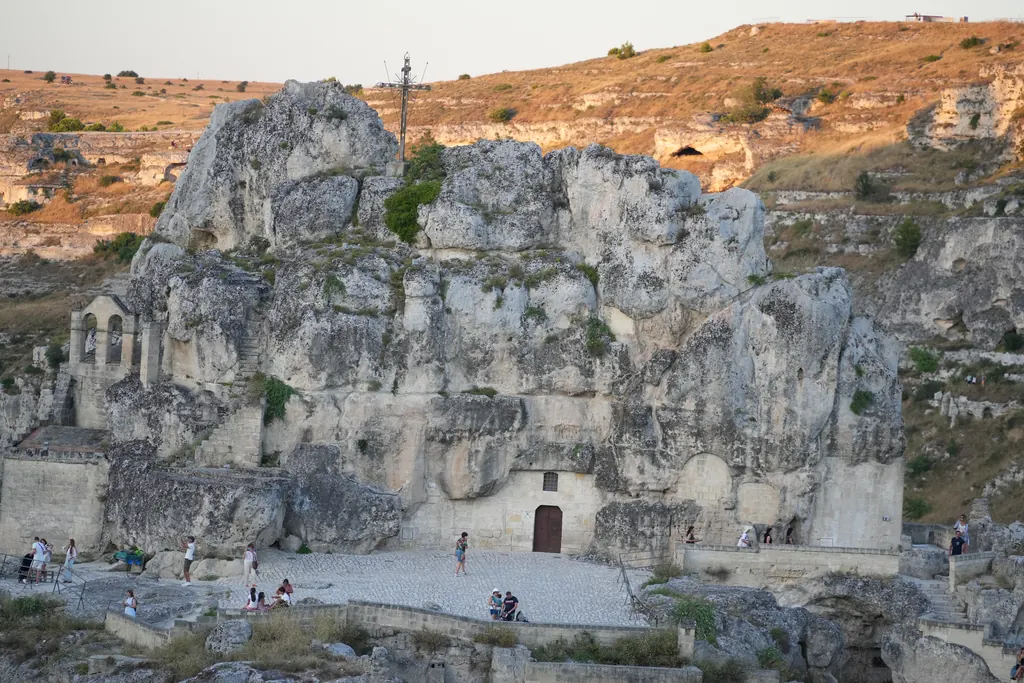
It faces south and opens out like the seating of an ancient theatre, with its houses rising in tiers up the slope. At the top, on the Monte Errone crag, stands Santa Maria de Idris, a church partly carved into the rock. Further down, the church of San Pietro Caveoso looks out over the ravine.
The Civita and the Duomo
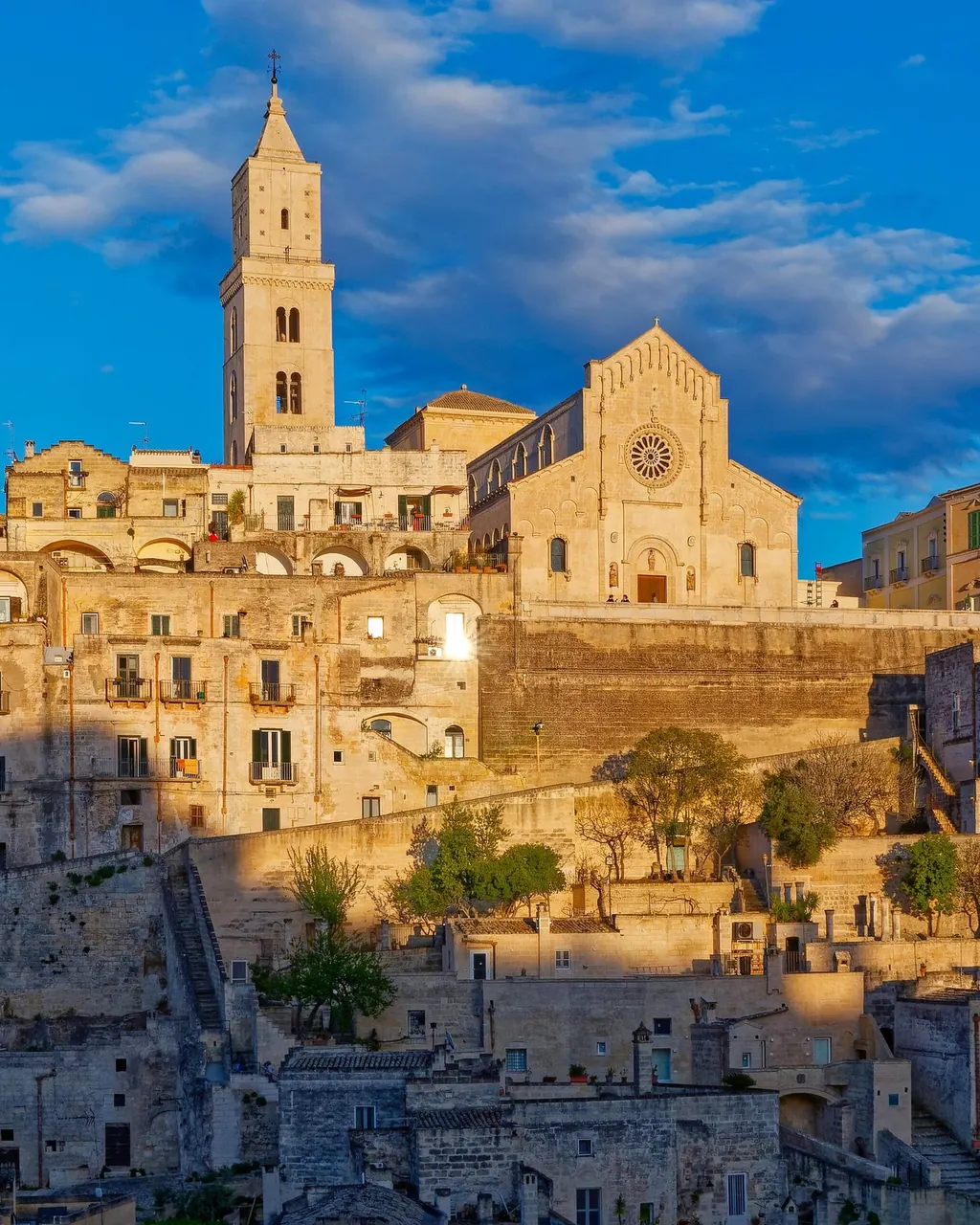
Between the two Sassi rises the Civita, the rocky spur where the city’s first fortified settlement grew up. At the top stands the cathedral, dedicated to the Madonna della Bruna and Sant’Eustachio: it dates from the 13th century, in the Apulian Romanesque style, with a large rose window on the façade. From the cathedral square you look down over the Sasso Barisano.
The Palombaro Lungo
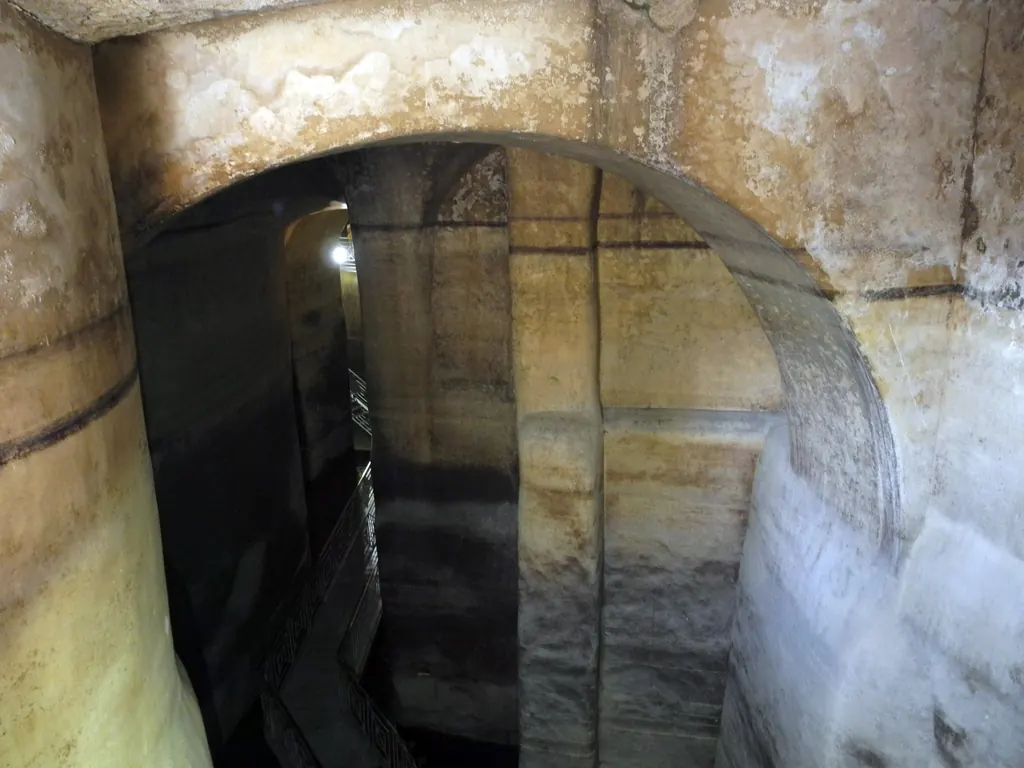
For its water, Matera dug cisterns into the tufa, and the largest is the Palombaro Lungo, beneath Piazza Vittorio Veneto, the main square, a few minutes from the house. It remained in use until the aqueduct arrived, in the 20th century. Today you can visit it along a route of walkways, and it shows how much water mattered in a city of stone.
The rock churches
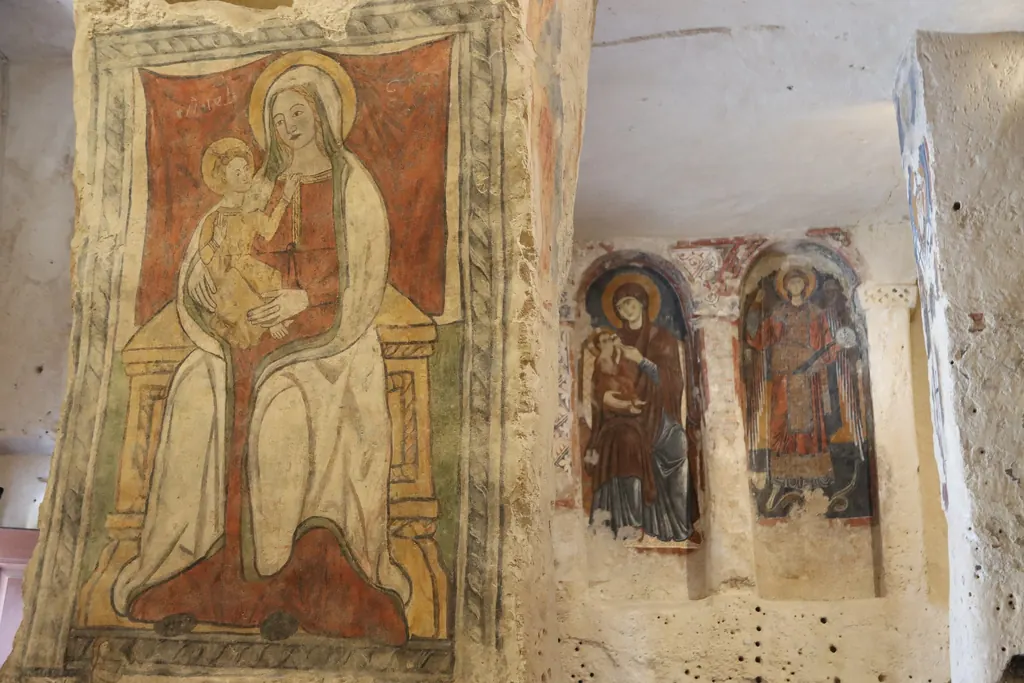
In the Sassi and on the Murgia there are around 150 churches carved into the rock, many with frescoes on their walls. Some are in the city, such as Santa Lucia alle Malve in the Sasso Caveoso; others lie along the park’s trails, across the ravine, such as the Madonna delle Tre Porte.
The museums
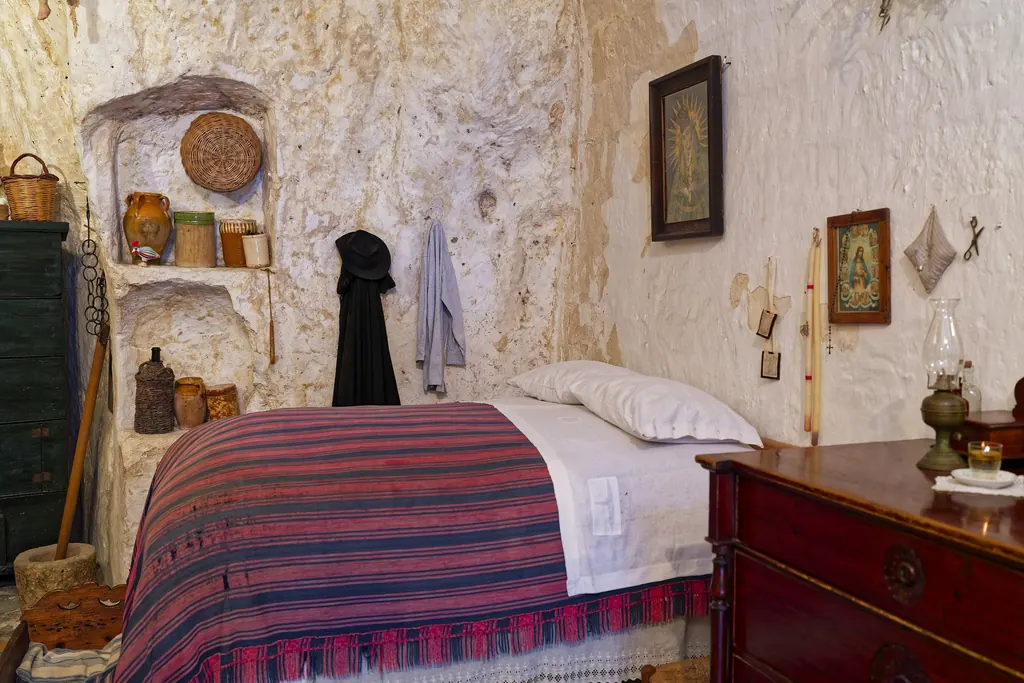
Until the 1950s many families lived in the caves of the Sassi, often together with their animals: to understand what that life was like, step inside one of the cave houses furnished as they were back then.
MUSMA shows modern and contemporary sculpture in the rooms of Palazzo Pomarici, in the Sasso Caveoso, and in the caves beneath the building.
At Palazzo Lanfranchi, home of the National Museum of Matera, you will find art from the Middle Ages to the 20th century and the large painting Lucania ’61 by Carlo Levi.
The Castello Tramontano
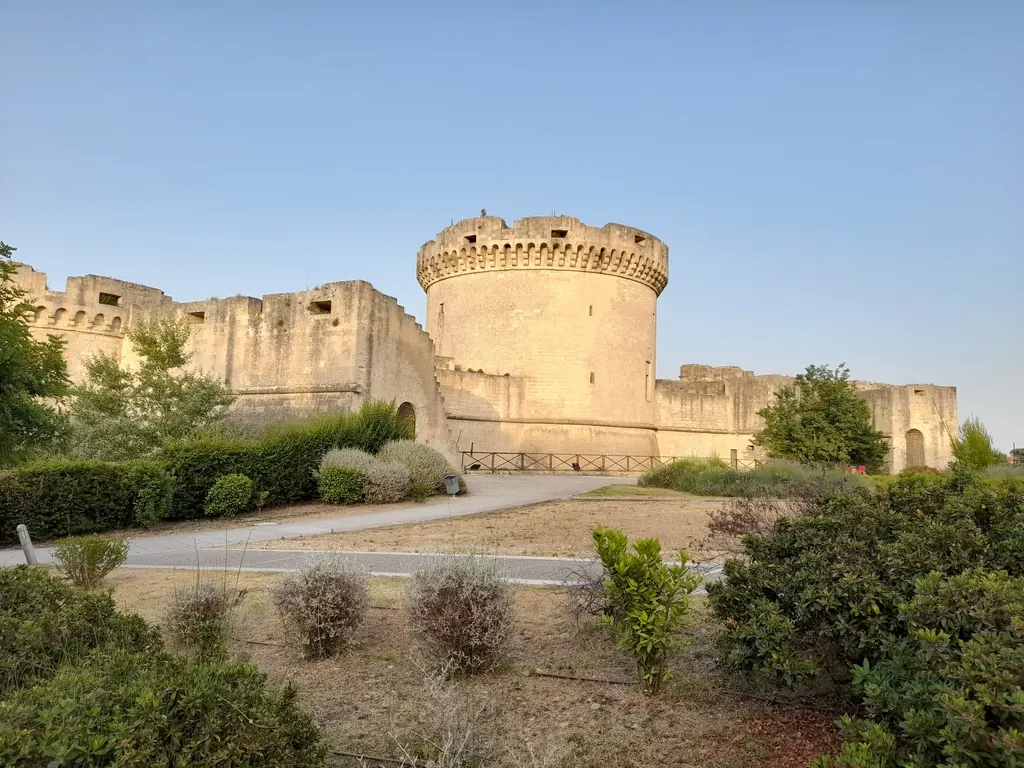
On the Lapillo hill, high above the historic centre, stands the Castello Tramontano, with three crenellated towers. It was commissioned in the early 16th century by Count Tramontano, lord of the city, who was killed by the people of Matera before the work was finished. That is why the castle was never completed.
The Murgia viewpoint
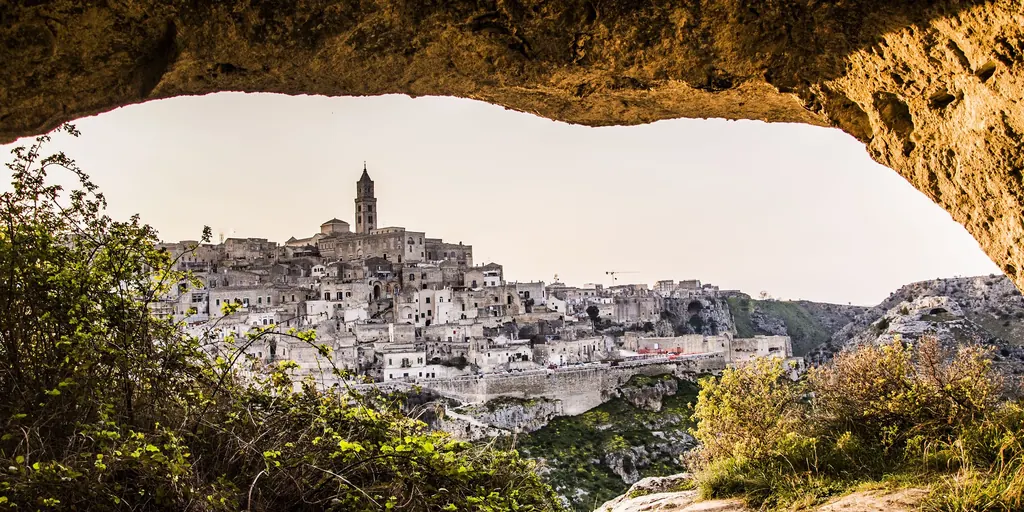
Facing the Sassi, across the ravine, lies the Murgia plateau, within the Parco della Murgia Materana. From the Murgia Timone viewpoint you can take in the whole city at a glance, with both Sassi and the Civita. Access arrangements and opening times may change: please check them before you set out.
Getting around
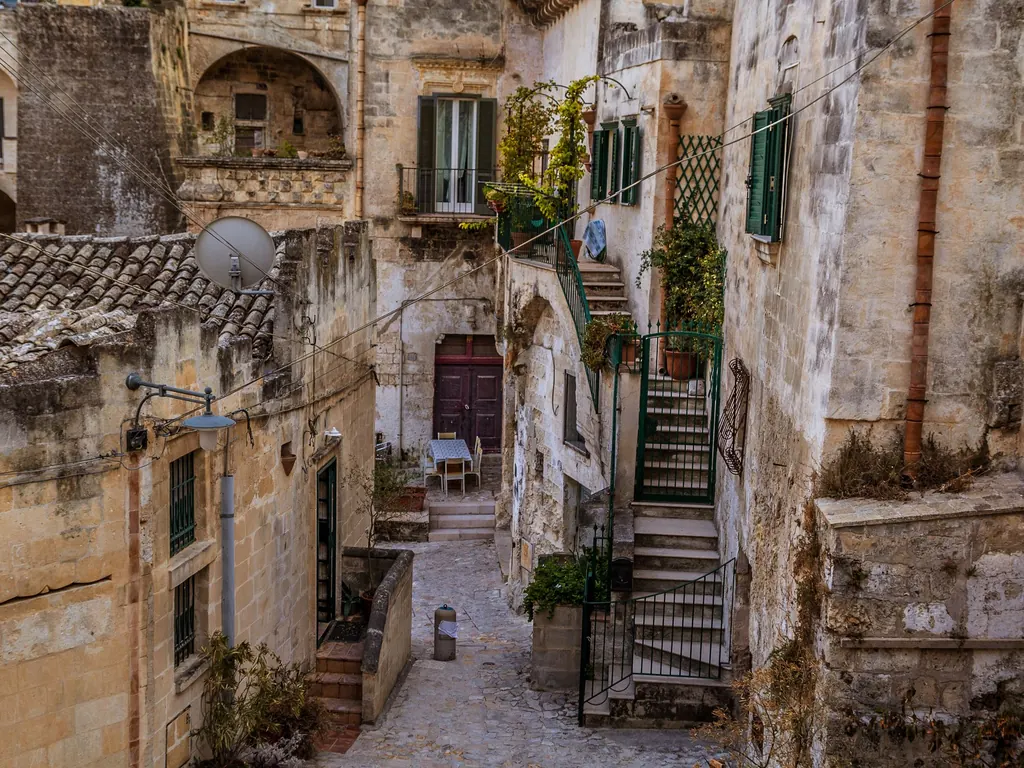
The historic centre is best explored on foot. In the Sassi you walk on steps, alleys and stone paving, which become slippery in the rain: wear comfortable shoes with soles that grip. If you arrive by car, leave it in one of the car parks outside the historic centre: ask us which one is best. In the heat of a summer day, bring water and a hat.
The house is at via San Biagio 46.
Once you’ve chosen your dates, ask us whether the house is free.